
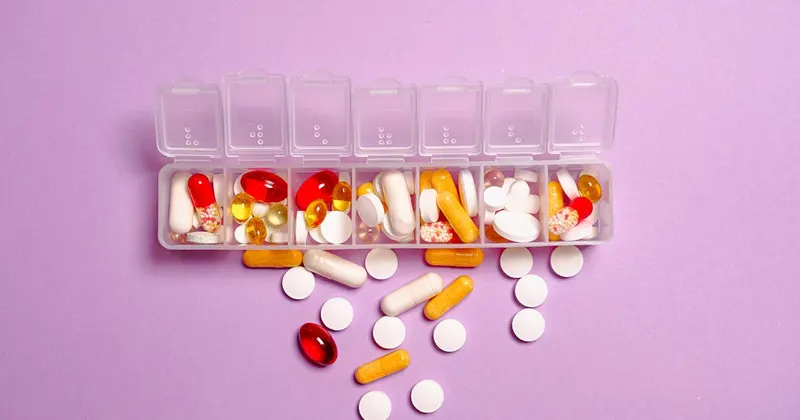
A disorganized medicine cabinet is not just an inconvenience — it is a safety hazard. Expired medications lose effectiveness, similar-looking bottles lead to dosing errors, and in an emergency, scrambling to find the right supply costs precious time. This guide shows North Houston families how to organize medications, first aid supplies, and health essentials so everything is safe, accessible, and current. You will learn what to keep, what to discard, proper storage conditions for the Texas climate, and how to set up a system that every family member can navigate in an emergency.
The Medicine Cabinet Purge
Pull everything out of your medicine cabinet and any other locations where medications are stored. Check every single item for expiration dates. Expired medications should be disposed of properly — not flushed down the toilet or thrown in the trash.
- Check local pharmacies for drug take-back programs — many CVS and Walgreens locations in the Conroe and North Houston area offer disposal bins
- If no take-back is available, mix medications with coffee grounds or dirt in a sealed bag before placing in household trash
- Remove all personal information from prescription bottles before disposal
Organizing by Category
Group remaining medications and supplies into clear categories. Use small bins or shelf organizers inside the cabinet to maintain separation.
Daily Medications
Prescription medications and daily supplements should be the most accessible items. If multiple family members take daily medications, use a separate bin or shelf for each person, clearly labeled.
As-Needed Medications
Pain relievers, allergy medication, antacids, and cold medicine. Group these together for easy access when symptoms hit. Keep adult and children's versions clearly separated.
First Aid Supplies
Bandages, antiseptic, gauze, medical tape, tweezers, and an instant cold pack. A dedicated first aid kit — a small zippered bag or plastic box — keeps these together and portable.
- Adhesive bandages in multiple sizes
- Sterile gauze pads and medical tape
- Antiseptic wipes or spray
- Antibiotic ointment
- Tweezers and small scissors
- Digital thermometer
- Instant cold pack
Storage Conditions: Why the Bathroom Is Wrong
The bathroom medicine cabinet — the most common storage location — is actually the worst place for most medications. Humidity and temperature fluctuations from showers degrade medications faster than any other household environment. In North Houston, where bathroom humidity is already high, this effect is amplified.
Better locations: a bedroom closet shelf, a hallway linen closet, or a kitchen cabinet away from the stove. These areas stay dry and maintain consistent room temperature.
Emergency Access
Every household member old enough to help in an emergency should know where the first aid kit is and what it contains. Post a simple list inside the cabinet door showing the location of each category. For households with children, add emergency phone numbers (poison control, pediatrician, family doctor) to this list.
Review your medicine cabinet every six months — once in spring and once in fall. Check expiration dates, restock used items, and update quantities for any new family members or changing health needs. A well-organized medicine cabinet is one of those small investments in home organization that delivers real safety benefits.
Related Services
SparkTex Cleaners
Professional cleaning team serving North Houston. 64+ satisfied clients across 13 cities. Insured, background-checked teams with a 100% satisfaction guarantee.