
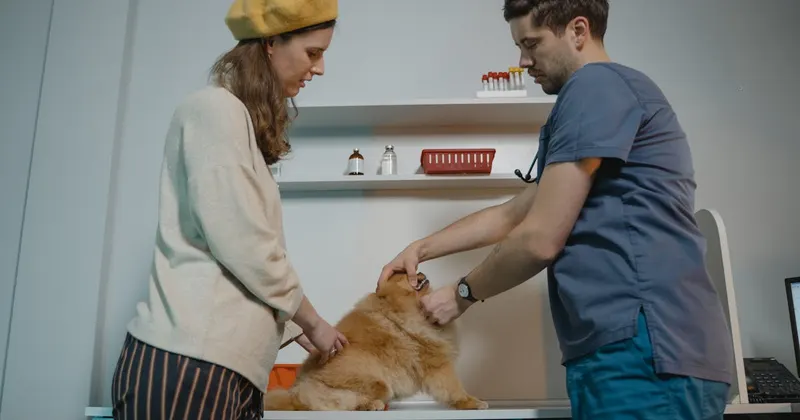
Veterinary clinics deal with animal waste, infectious diseases, and stressed pet owners all day. Learn the cleaning standards that prevent cross-contamination, eliminate odors, and keep your North Houston veterinary practice running safely.
The Unique Challenges of Veterinary Cleaning
Veterinary clinics are among the most demanding commercial cleaning environments. Unlike human medical offices, vet clinics deal with patients who cannot follow hygiene instructions — animals urinate on exam tables, shed fur everywhere, and occasionally express anal glands in the waiting room. Add in the risk of zoonotic diseases like ringworm, leptospirosis, and parvovirus, and the cleaning stakes rise dramatically.
In Conroe, The Woodlands, and across North Houston, veterinary clinics see high patient volumes thanks to the region's pet-friendly culture. SparkTex Cleaners understands that cleaning a vet clinic is not the same as cleaning a regular office — it requires specific disinfectants, odor control methods, and biosecurity awareness.
Exam Room Cleaning Protocol
- Remove all visible organic matter (hair, waste, blood) with disposable wipes before applying disinfectant.
- Apply a veterinary-grade disinfectant with proven efficacy against parvovirus, which is one of the hardest pathogens to kill on surfaces.
- Allow full contact time — most vet disinfectants require 10 minutes of wet contact to achieve full kill rates.
- Wipe down the exam table, scale, wall-mounted equipment, and cabinetry.
- Mop the floor with the same disinfectant solution, paying attention to corners and under the table where hair accumulates.
Isolation and Surgery Areas
Isolation rooms for contagious patients require separate cleaning equipment — dedicated mops, buckets, and cloths that never leave the room. Surgery suites need sterile-level cleaning between procedures, including HEPA vacuuming and hospital-grade surface disinfection. SparkTex Cleaners provides color-coded cleaning kits for veterinary clients in Spring, Magnolia, and Tomball to prevent cross-contamination between zones.
Odor Control Strategies
Animal odor is the number-one client complaint at vet clinics. Masking with air fresheners only makes it worse — now you have chemicals mixed with urine smell. Effective odor control requires enzymatic cleaners that break down organic compounds at the molecular level.
- Use enzymatic cleaners on any surface where urine, feces, or vomit has contacted
- Install HEPA air purifiers in the waiting room and treatment areas
- Deep clean fabric-covered seating weekly — or better yet, switch to vinyl upholstery that wipes clean
- Clean HVAC return vents monthly to prevent recirculating odor-laden air
- Address floor drains with enzyme treatments to prevent sewer gas and biofilm buildup
Waiting Room and Lobby Best Practices
Pet owners in Conroe and Kingwood notice a clean waiting room. It reassures them that the back-of-house areas where their pet will be treated are equally well maintained. SparkTex Cleaners recommends non-porous flooring, daily mopping, and twice-daily disinfection of all seating and reception surfaces.
The reception desk is the highest-touch surface in any vet clinic — clean it every two hours during business hours for both hygiene and appearance.
Partnering with SparkTex for Veterinary Cleaning
SparkTex Cleaners provides after-hours cleaning for veterinary clinics across North Houston, including Conroe, The Woodlands, Spring, Humble, and Cypress. Our crews arrive with veterinary-specific disinfectants and follow biosecurity protocols that protect your patients, your staff, and your reputation.
A clean clinic is not just about appearances — it is active infection control that protects every animal that walks through your door.
Related Services
SparkTex Cleaners
Professional cleaning team serving North Houston. 64+ satisfied clients across 13 cities. Insured, background-checked teams with a 100% satisfaction guarantee.